6 Learning Trends for L&D Managers in 2026 (Before Your Boss Asks)

From AI governance to human skills – cutting through the noise so you don't have to.
Look, we get it. You're an L&D manager, not a fortune teller. But if you've got a boss who loves to walk into your Monday morning with gems like, "What's our AI governance strategy?" or "Are we skills-based yet? LinkedIn says everyone is skills-based," you're going to need more than your gut and a half-read Deloitte report to survive.
So, we've done the hard yards (and yes, trawled through a truly heroic amount of LinkedIn thought leadership) to bring you six learning trends that are genuinely worth your brain space in 2026. We'll tell you what's real, what's evolved since last year, and what might just make you the smartest person in the room.
(Spoiler: that's still you.)

1. AI in L&D: We've Moved Past "Should We?"
Last year, everyone was asking whether to use AI in L&D. In 2026, that conversation is over. The new question – and the harder one – is how to use it well.
The early "AI can do everything!" phase has run its course. What's replaced it is something more nuanced: a growing focus on AI governance, human oversight, and being honest about where the technology genuinely helps versus where it just makes your existing bad processes faster.
The real gains are still in content creation, personalisation, and feedback loops. Think AI-generated microlearning that adapts to learner performance, or automated analysis that surfaces exactly where your team is getting stuck. The magic is real – it just requires a human hand on the wheel.
But here's the catch nobody's saying loudly enough: nearly 95% of businesses report zero ROI from in-house AI investments, according to MIT's GenAI Divide: State of AI in Business 2025 report. Why? Because access isn't the same as capability. Rolling out an AI tool without building the skills to use it well is a bit like giving everyone a commercial kitchen and expecting Michelin stars.
What to say in a meeting: "We're moving beyond AI experimentation to building genuine AI fluency – which means upskilling our people to use it critically, not just compliantly."
Watch out for: Training programs designed to automate jobs rather than augment the people doing them. There's a meaningful difference, and your employees have noticed.
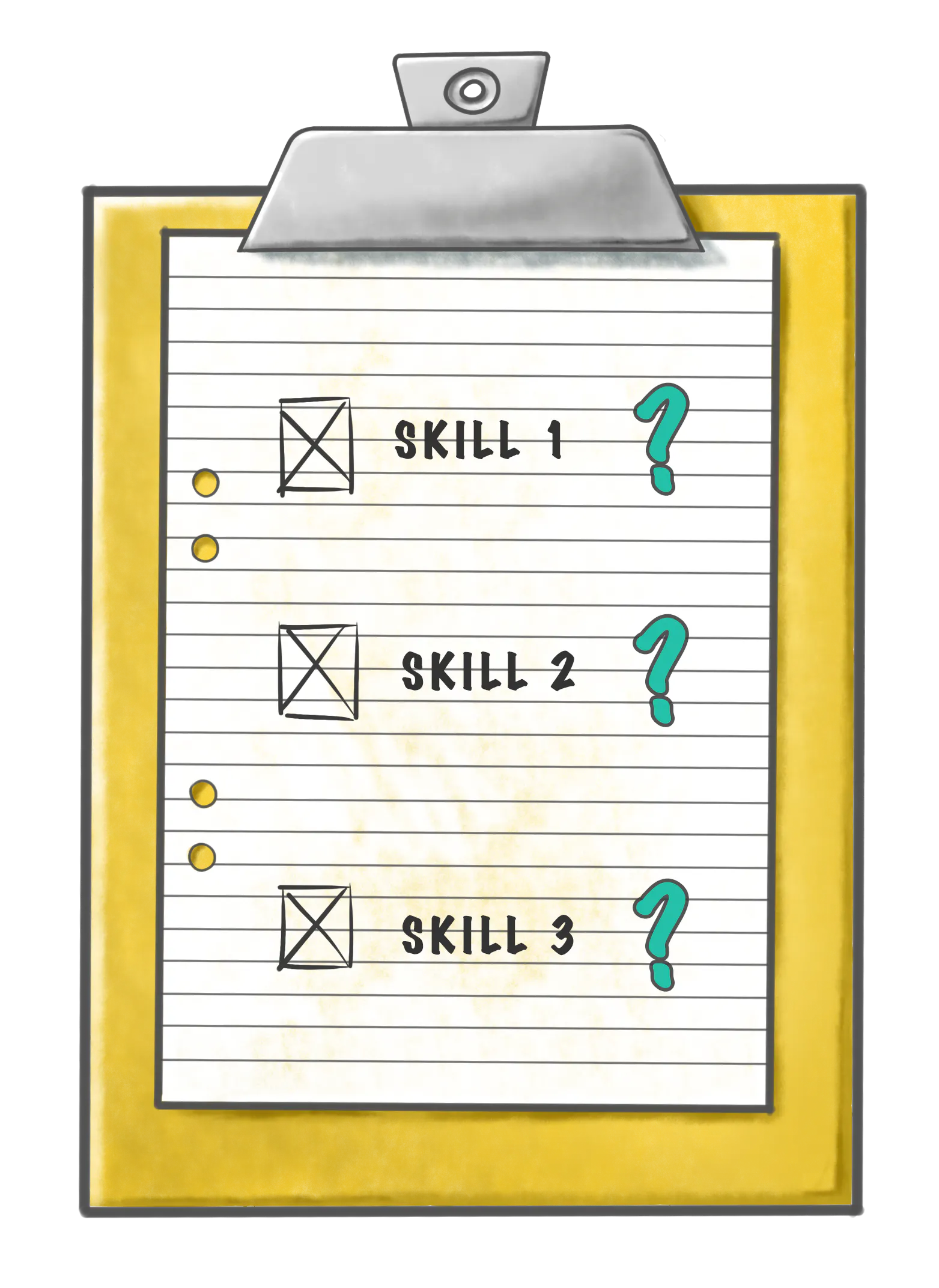
2. Skills-Based Everything. But Make It Practical
The Skills Renaissance we mentioned last year? Still very much in full swing. In fact, skills-based approaches have gone from "emerging trend" to near-accepted best practice. Nearly 8 in 10 HR managers now say their organisation is adopting a skills-based approach to hiring, training, and career development.
Here in Australia, the conversation has sharpened. With the Productivity Commission's inquiry into building a skilled and adaptable workforce shaping national policy, and Jobs and Skills Australia's employment projections flagging significant growth concentrated in higher-skilled, human-centred roles – health, education, professional services – the "let's get around to it eventually" approach isn't really cutting it anymore.
The evolution from last year: organisations are moving away from dense, overwhelming skills taxonomies (turns out categorising 800 skills is nobody's idea of a good time) toward practical skill frameworks, with clear links between roles and skills so employees can actually see where they stand and what to build next.
What to say in a meeting: "We're building a dynamic skills framework to future-proof capability development, and yes, this time it will actually be usable."
Pro tip: Start with a skills audit focused on your highest-impact roles. You don't need to boil the ocean to get started.
3. Learning in the Flow of Work: Still the MVP, Now with Better Plumbing
Cast your mind back to the last time you thought, "I feel like learning something. Better log into the LMS!" No? Right.
This one isn't new, but the infrastructure around it is finally catching up to the idea. The shift in 2026 is from the concept of learning in the flow of work to actually building the systems that make it happen – integrating learning into Slack, Teams, email, your intranet, and the tools people genuinely live in.
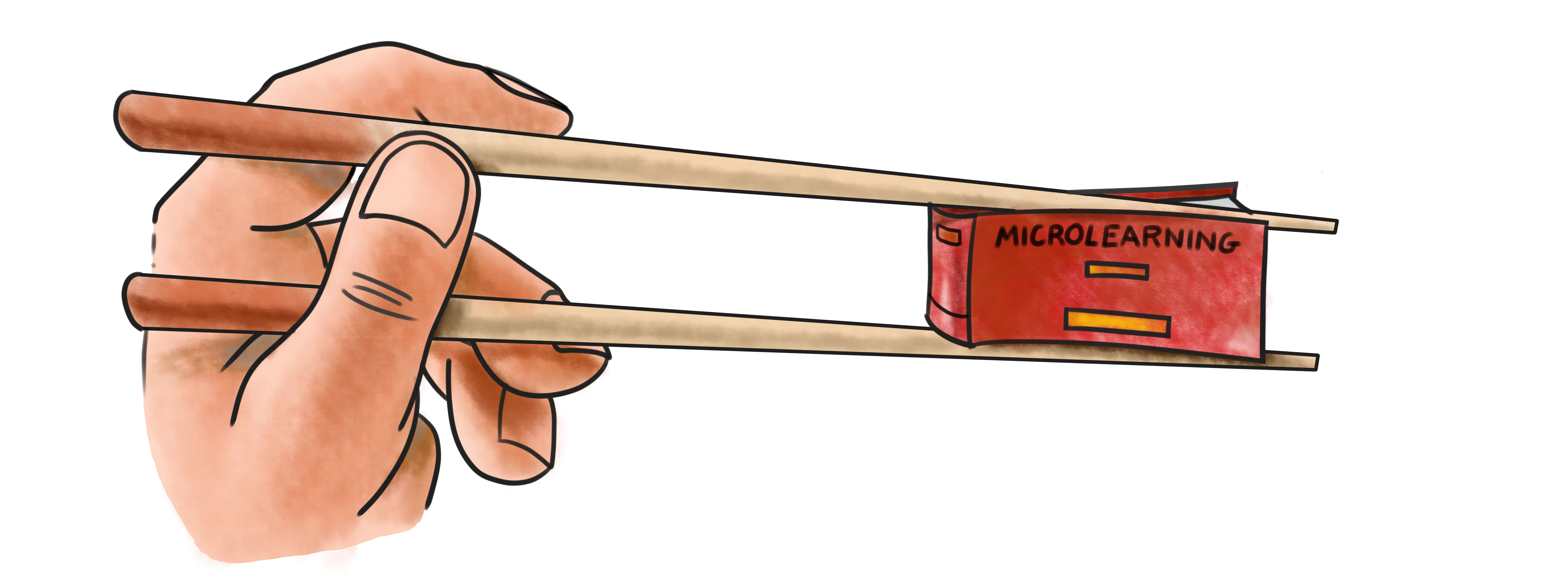
Microlearning remains your MVP: short, sharp, contextual nudges that arrive when they're useful and don't ask people to click through seventeen screens first. The best of it is a little bit fun (leaderboards, light competition, the odd well-placed GIF). The worst of it is just a 45-minute e-learning module broken into smaller pieces and called something it isn't.
What's changed: the emphasis is increasingly on just-in-time support, not just any-time access. There's a difference between "the knowledge is theoretically available somewhere" and "the right knowledge appeared right when someone needed it."
What to say in a meeting: "We're prioritising just-in-time learning interventions to boost retention and on-the-job performance."
Yarno note: This is, quite genuinely, our whole thing. Bite-sized learning + smart nudges = the kind of results you can take to the boardroom.
4. Human Skills Are Having Their Glow-Up
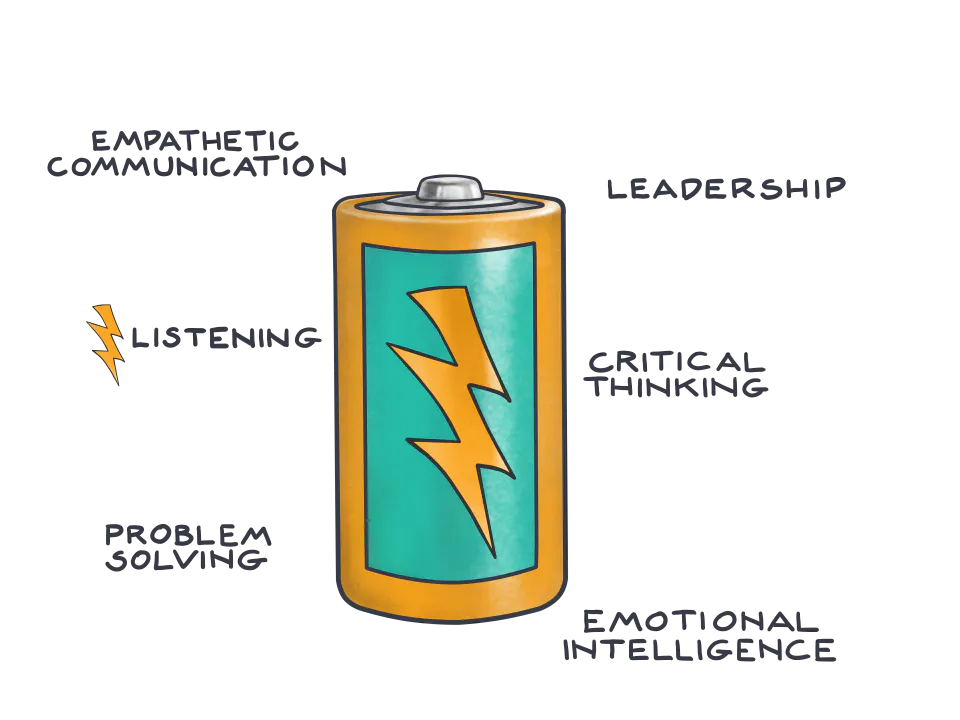
Here's the plot twist nobody saw coming: in a year absolutely dominated by AI, the skills people most want to build are deeply, unmistakably human.
Leadership and communication ranked #1 and #2 in workplace learning globally in 2026. Problem solving, adaptability, and stakeholder management are all in the top 10. The data is consistent and it makes sense: as AI handles more routine tasks, the skills that remain stubbornly exclusively human become the competitive edge.
In Australia specifically, 95% of L&D professionals believe human skills are becoming more competitive in the economy, not less. Communication topped LinkedIn's most in-demand soft skills list right across APAC.
What this means for your learning strategy: it's no longer enough to run a half-day leadership workshop and call it culture building. Human skills development needs to be embedded, ongoing, and treated with the same rigour as technical upskilling.
What to say in a meeting: "We're investing in the skills AI can't replicate, because that's where our people's value is going to compound."
Watch out for: "Human skills" becoming a vague catch-all for everything. Get specific. Are you building coaching capability in managers? Communication confidence in individual contributors? Name the skill. Map it. Measure it.
5. Data That Actually Does Something (The Sequel)
Learning data has been the broccoli of L&D for too long. We know it's good for us, but it's hard to love. In 2026, the upgrade is finally real. Partly because the tools are better, and partly because the business is asking harder questions and accepting softer answers less often.
The shift is away from just completion rates and toward other outcome metrics: knowledge growth, confidence change, behaviour shift, and performance impact. In short, data you can take to the boardroom without pre-emptively apologising.
Even better: real-time iteration. If a concept isn't sticking, tweak the delivery. If one region is consistently underperforming on a topic, tailor the content. Your learning data is a feedback loop, if you're only reading it quarterly, you're flying blind most of the year.
With employer-sponsored training now above long-term averages post-pandemic, leadership wants to see what that investment is actually producing. "People completed the module" is no longer a sufficient answer.
What to say in a meeting: "We're shifting to outcome-focused metrics to demonstrate learning ROI and we can now tie results to business KPIs."
Pro tip: Reduced onboarding time, fewer safety incidents, increased NPS – these are your golden tickets. Start with one metric and prove the link. Then build from there.

6. Psychological Safety Gets Practical (We Promise, It's Not Just a Poster)
Buzzword? Sure. But behind the TED Talks and the laminated values posters, there's something very real: teams that feel safe to speak up, make mistakes, and ask questions genuinely learn faster and perform better. This isn't soft, it's science.
The trend in 2026 is making psychological safety a tangible design principle in L&D, not just a line in the company values. That means training managers to give feedback that doesn't make people want to resign. It means building learning environments where getting things wrong is part of the process, not a source of shame. It means creating social learning experiences where people actually want to show up.
For L&D managers, this has particular relevance in the context of rapid AI adoption and role change. When people's jobs are shifting, uncertainty is high, and the stakes feel elevated, psychological safety isn't a nice-to-have. It's the precondition for learning at all.
What to say in a meeting: "We're embedding psychological safety into our L&D design to support inclusive, high-performing teams, especially as we navigate significant change."
Good news for microlearning fans: Low-stakes, bite-sized formats are a natural fit here. Learners can test, try, and fail forward, without the uncomfortable silence of a room full of colleagues watching them get it wrong.
So, What's Next?
Whether you're mapping your next big initiative or just trying to look impressively informed at the next leadership offsite, here's your 2026 L&D cheat sheet:
- AI fluency beats AI access – build the judgment, not just the tools
- Skills frameworks are the new job descriptions – start mapping now
- Learning in the flow of work is table stakes – the infrastructure needs to catch up
- Human skills are your competitive moat – invest accordingly
- Good data tells better stories – and the boardroom is finally ready to hear them
- Psychological safety isn't fluffy – it's the foundation everything else is built on
And if all else fails, just say you're "building an AI-fluent, human-centred skills ecosystem aligned to business-critical capabilities." Works every time.
Got a trend we missed? A buzzword that makes you want to close your laptop and move to a farm? Send us a note at hello@yarno.com.au. We're always up for a nerdy learning chat and we'll bring the GIFs.